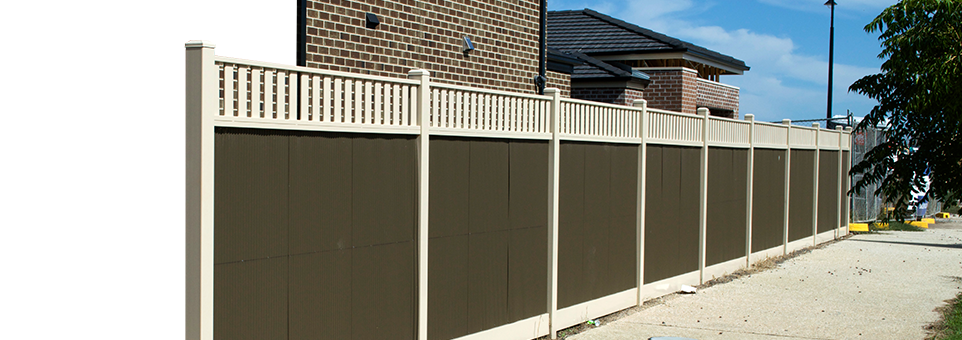
Melbourne fences get tested by regular wet days, drying winds, and hot spells. BOM climate stats for inner Melbourne (Melbourne Regional Office) show ~648.3 mm annual rainfall, ~100 days/year with ≥1 mm rain, and ~14.2 km/h mean 3pm wind speed.
Those conditions are why the “best” fence usually comes down to maintenance tolerance, how long you want it to look tidy, and how exposed your site is (corner blocks and open runs cop more wind).
(This photo is real Colorbond steel/fence)
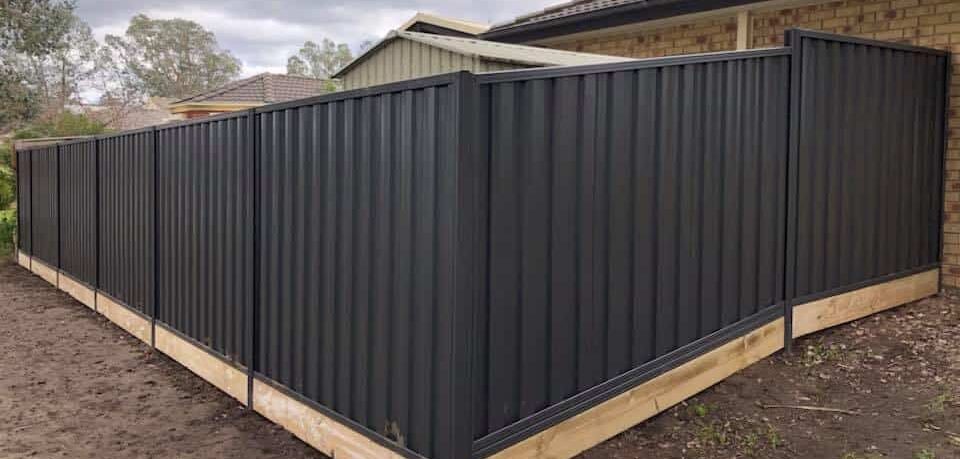
Best for: low maintenance, consistent privacy, modern finish, strong performance in exposed areas when installed correctly.
Melbourne homeowners often pick Colorbond because it stays looking “finished” without repainting and is well-suited to sun + wind exposure. If you want more detail on profiles, colours and install approach, this is where Colorbond fencing is explained in full:
Best for: classic look, easy customisation, simple repairs (swap a paling rather than a whole panel).
Timber suits a lot of Melbourne streetscapes, but it typically needs more upkeep to stay straight and presentable.
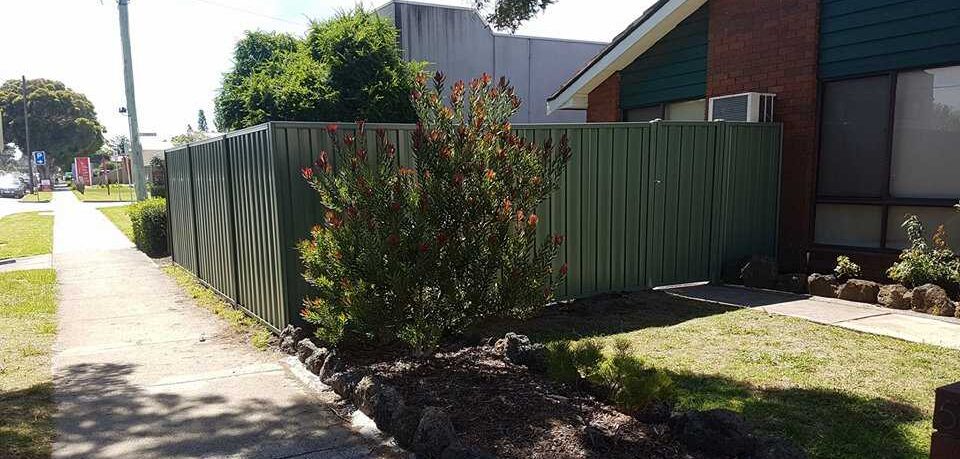
When you combine ~100 rainy days/year with regular afternoon winds, timber is more likely to move over time and coatings can degrade faster if maintenance gets skipped. Colorbond generally holds a more consistent finish with less ongoing work.
Don’t compare only the upfront number. Compare:
Upfront cost (materials + labour)
Maintenance cost (paint/stain, replacements, time)
How long it stays straight and presentable
If you’re the type to maintain timber, it can be a solid choice. If you want “install it and forget it”, Colorbond often wins on long-term hassle.
A key issue isn’t just “Colorbond vs not Colorbond”, it’s whether you’re getting the genuine product. Official guidance says that for fencing you should look for laser branding on the panels, appearing multiple times along the section.
Timber can look fantastic but is more exposed to movement, warping and ongoing maintenance cycles, especially on windy or highly exposed blocks.
Privacy: both materials can deliver full privacy, but Colorbond typically stays more uniform over time.
Wind: performance is heavily driven by post spacing, footings and fixings. Melbourne’s mean 3pm wind speed is ~14.2 km/h at the Melbourne Regional Office site, which is exactly when fences tend to get stressed.
Noise: rattling usually comes down to cheaper components or poor installation tolerances.
Rules vary by council, but here are real examples Melbourne homeowners run into:
Glen Eira: a “front fence” is within 3 metres of the street. A building permit is needed if it’s timber/steel over 1.5 m or masonry over 1.2 m. Corner fences within 9 metres of an intersection have a maximum height of 1 m unless you get consent/permit.
Wyndham: similar guidance, including 1 m max within 9 metres of an intersection (corner block) and typical height thresholds for front/side/rear fences.
DIY is realistic when the run is short/straight and you can set posts accurately. Professional install is usually smarter when the block is sloped, the fence is long/highly visible, or compliance/sightlines matter.
If someone is set on DIY, the biggest failure point is nearly always set-out and post spacing. A practical reference is Great Barrier Online’s DIY covering measuring, set-out and panel installation.
Pick Colorbond if you want minimal maintenance, consistent privacy, and a tidy finish year after year in Melbourne conditions.
Pick timber if you love the look and you’re willing to maintain it.
Watch the Visser Fencing team install a Colorbond Fence